Exporting Tulsi Powder: Demand for Holy Basil and Wellness Products
The Green Gold: Tapping into the Global Market for Export Quality Tulsi (Holy Basil) Powder
Introduction
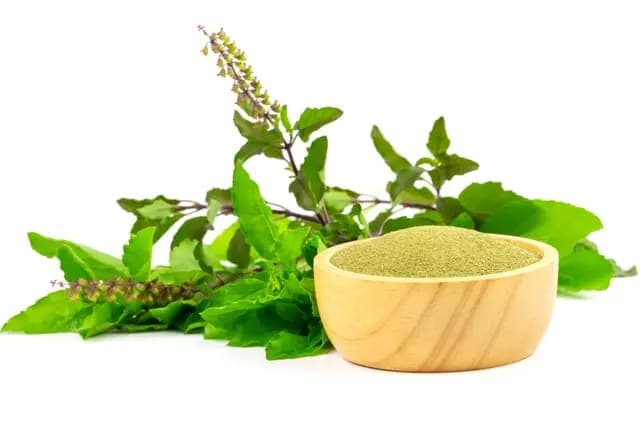
The product visible in the image—fresh Tulsi (Ocimum tenuiflorum) and its processed powdered form—represents a high-potential commodity in the international import-export sector. Tulsi, or Holy Basil, is recognized globally, particularly in wellness and natural medicine communities, as a powerful adaptogenic herb. Exporting this product, whether as dried leaves or as the fine powder shown, positions a business to capitalize on the increasing global trend toward natural health supplements and herbal teas.
Key Features
The powdered product possesses several features appealing to international buyers:
- High Processing State: The fine powder form is ready for use in capsules, tea bags, or as a direct supplement ingredient, simplifying manufacturing for the importer.
- Natural Presentation: The visual evidence of the fresh plant alongside the powder confirms the product's natural origin.
- Ease of Storage/Shipping: As a dried, powdered product, it offers stable shelf life and efficient, lower-cost international shipping compared to fresh produce.
- Consistent Color: The pale green color suggests careful drying and milling processes to retain the herb's natural pigments and quality.
Material & Craftsmanship
The raw material is Tulsi (Holy Basil). The "craftsmanship" here refers to the agricultural and processing standards:
- Agricultural Quality: The fresh leaves appear vibrant and healthy, suggesting high-quality cultivation free from visible pests or disease.
- Processing Technique: The powder's fine, consistent texture indicates professional grinding and potentially sifting, ensuring a uniform grade suitable for industrial application (e.g., precise dosing in capsules or consistent infusion in tea).
Export Advantages
Exporting processed Tulsi powder offers clear benefits:
- High Value Addition: Selling the processed powder commands a higher price than exporting raw, fresh leaves.
- Year-Round Supply: The dried powder form allows exporters to maintain a consistent supply line regardless of local harvesting seasons.
- Access to Multiple Sectors: The powder is used by manufacturers of herbal teas, dietary supplements, cosmetics, and ayurvedic/traditional medicine products.
Global Market Demand
Demand for Tulsi is robust, driven by global consumer interest in adaptogens (substances that help the body adapt to stress) and natural immunity boosters. Key markets include North America, Europe, and Australia, where organic and natural health supplements command premium prices. The clean, professional presentation in the image meets the visual standards required for high-grade food and health product imports.
Use Cases
International importers utilize Tulsi powder for various applications:
- Herbal Teas: The primary ingredient in "Tulsi Tea" blends, marketed for stress relief and general wellness.
- Dietary Supplements: Encapsulated or pressed into tablets as a natural health supplement.
- Cosmetics & Skincare: Incorporated into topical products for its recognized natural properties.
- Aromatherapy/Incense: Used in traditional and modern spiritual products.
Care & Maintenance Tips
Guidelines for importers to maintain product quality:
- Storage: The powder must be stored in airtight containers to prevent moisture absorption and preserve potency.
- Temperature: Store in a cool, dark place, away from direct sunlight, to retain color and bioactive compound stability.
- Handling: Use clean, dry tools when handling the powder to prevent contamination.
Conclusion
Tulsi powder is a valuable and highly sought-after product in the global health and wellness sphere. By ensuring high standards in cultivation, processing, and packaging, exporters can successfully meet the strong international demand for this potent, natural ingredient, making it a sustainable and profitable item for international trade.